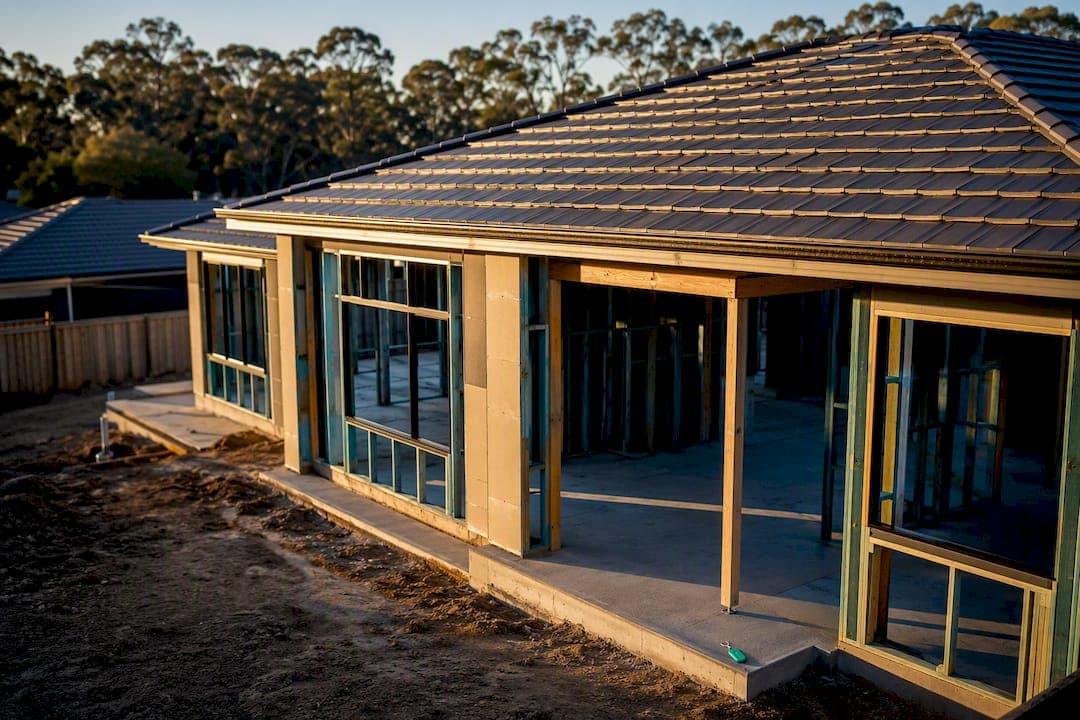
Help to Buy is an Australian Government shared equity scheme that contributes up to 40% towards a new home or up to 30% towards an existing home, letting eligible buyers get in with a deposit as small as 2%. It's open to Australian citizens who meet income caps and residency rules, with a limited number of places released each year. It won't suit everyone, but for the right buyer, it can shave years off the savings grind.
TL;DR:
- Help to Buy requires that your individual income stay below $103,000 or your combined income meet the applicable cap, with eligibility assessed through official income notices.
- The government's equity share is registered alongside your mortgage and can be bought back gradually or at sale, with sale proceeds split proportionally based on ownership share.
- You must cover additional costs like stamp duty, legal fees, and inspections, as Help to Buy does not reduce these expenses.
- Applying involves approval from a Participating Lender, with a typical process lasting around 90 days and requiring early document preparation.
- The scheme's property price caps and rules vary regionally, so checking current thresholds and lender policies before making an offer is essential.
Table of Contents
- How the shared equity model actually works
- Who qualifies for Help to Buy in Australia?
- Which properties qualify and what are the price caps?
- What costs and obligations remain your responsibility
- How to apply and how long it takes
- What are the risks of using shared equity?
- Who benefits most from Help to Buy, and how a broker fits in
- Get your Help to Buy eligibility checked properly
- Where to verify the current rules
- Sources
- FAQ
How the shared equity model actually works
The government's contribution isn't a grant you keep forever. It's secured as an equity interest, similar to a second mortgage sitting behind your main home loan, and it grows or shrinks with your property's value. You don't pay rent or interest on that share while it's outstanding, which is what makes the repayments so much more manageable than a standard mortgage on the same property.
Here's what that looks like in practice:
- The government registers its equity share against the title, alongside your bank's mortgage.
- You can buy back the government's share in full or in parts whenever your finances allow, without penalty.
- When you sell, the sale proceeds get split proportionally. If the government owns 30% of your home, it receives 30% of the sale price, not 30% of your original purchase price.
- Gains and losses move with the market. If your property value falls, the government absorbs its share of that loss too.
That last point catches people out. According to the Help to Buy customer guide, you retain full legal title to the property throughout, with the government holding a contractual financial interest rather than a stake in the title itself. You're still the owner, on paper and in practice.
Who qualifies for Help to Buy in Australia?
Eligibility comes down to income, citizenship, and how the property will be used. If you're applying alone, your taxable income needs to sit at $103,000 or less; for joint applicants or single parents, the combined cap is up to the applicable income cap. These figures are indexed annually, so they'll move over time, and Housing Australia assesses them against your ATO Notice of Assessment, not your payslips or an estimate you provide.
Quick eligibility snapshot: individual income cap $103,000 | joint/single parent income cap up to the applicable income cap | a minimum age requirement applies | must be an Australian citizen | property must be your principal place of residence.
Beyond income, you'll need to meet these conditions:
- Be an Australian citizen aged 18 or over at the time of application.
- Intend to live in the property as your principal place of residence, not as an investment.
- Meet restrictions on prior property ownership, generally limiting the scheme to those who don't already own a home.
When you apply, expect to hand over your latest ATO Notice of Assessment, proof of identity, evidence of your deposit savings, and supporting financial records like payslips or bank statements. Getting these organised before you approach a lender saves weeks.
Which properties qualify and what are the price caps?
Help to Buy covers new homes, existing homes, and vacant land purchased alongside an eligible building contract. Off-the-plan purchases are allowed too, but the build has to meet the scheme's contract conditions, so it pays to check this with your lender before signing anything.
Price caps are where things get genuinely regional. A cap that works in regional Tasmania won't get you much in inner Sydney, and the thresholds are set separately for each state and territory, and often split further between capital city and regional zones. Checking the current cap for your target suburb before you start inspecting properties is essential, because a home priced just over the line disqualifies the purchase entirely.
A few extra things to watch for:
- Property price caps vary by state and territory, and by metro versus regional classification.
- Some Participating Lenders apply their own additional restrictions on top of scheme rules, particularly for complex builds or small lot developments.
- Always confirm both the scheme cap and your chosen lender's policy before making an offer.
What costs and obligations remain your responsibility
Help to Buy reduces your deposit hurdle, but it doesn't touch the other costs of buying a home. You'll still cover stamp duty, legal and conveyancing fees, building and pest inspections, and mortgage registration costs, the same as any other buyer.
Once you're in, a few ongoing obligations keep you compliant:
- Maintain full replacement building insurance on the property at all times.
- Keep the home as your principal place of residence, not a rental or holiday house.
- Expect a Housing Australia review roughly every five years to check your circumstances still fit the scheme.
- If your income rises above the relevant cap at review, you may be required to start reducing the government's equity share.
Pro Tip: Budget for stamp duty and legal fees separately from your deposit savings. Buyers sometimes assume the 2% deposit is the only cash they need upfront, then get caught short at settlement.
How to apply and how long it takes
You can't apply to Housing Australia directly. Every application goes through a Participating Lender, such as Commonwealth Bank of Australia or Bank Australia, which assesses your position and submits it on your behalf.
The process generally runs in this order:
- A lender pre-check confirms your income, deposit, and the property against scheme rules.
- You receive conditional approval, which reserves your place for a limited period.
- You finalise unconditional finance approval once the property and contract are locked in.
- Settlement happens within the scheme's approval window, finalising both your loan and the government's equity contribution.
Missing that 90 day window is one of the most common reasons applications stall, particularly when documents are assembled reactively rather than upfront. This is where getting a broker involved early pays off. A broker can pre-check your ATO Notice of Assessment, line up your paperwork, and match you to a lender that suits your situation, cutting weeks off the back and forth that otherwise eats into your settlement timeline. Our guide on government home buyer schemes walks through how Help to Buy sits alongside other options if you're still weighing up your path.
What are the risks of using shared equity?
Shared equity isn't free money, and it comes with trade-offs worth thinking through before you sign anything. Because the government's share moves with your property's value, a strong market means you'll pay more to buy back that equity later, sometimes significantly more than the dollar amount it originally contributed.
AHURI research has found shared equity schemes are structurally more complex than standard mortgages, and that limited consumer support around these products can slow uptake or lead to poor decisions. That complexity is exactly why the exit plan matters as much as the entry.
A few things worth weighing early:
- Work out your buy-back strategy before you settle, not after.
- Compare Help to Buy against the First Home Guarantee (5% Deposit Scheme) and the First Home Super Saver Scheme, since each suits different financial situations.
- Consider how a future income rise might trigger a review of your eligibility.
Pro Tip: If you expect your income to grow quickly, model what buying back the government's share would cost at a higher property value before you commit.
Who benefits most from Help to Buy, and how a broker fits in
From what we've seen, Help to Buy tends to help three groups the most: first home buyers who've saved a smaller deposit, single parents managing on one income, and essential workers whose wages sit comfortably under the caps but haven't kept pace with property prices. For these buyers, the difference between needing 20% and needing 2% is often the difference between renting for another five years or owning sooner.
Where a broker genuinely earns its place is in the detail: checking your eligibility against both the scheme's rules and a lender's specific policy, liaising with Participating Lenders on your behalf, and helping you think through the exit and buy-back plan before you're locked into settlement timeframes.
If you think you might qualify, the smartest next step is getting your ATO Notice of Assessment and deposit evidence together now, before you start looking at properties.
— Allen
Get your Help to Buy eligibility checked properly
Using a broker is the alternative to guessing your way through Help to Buy paperwork alone. Rather than working through eligibility rules, lender policies, and price caps by yourself, you can get professional support to check all three against your actual financial position before you make an offer on anything.

An eligibility check with us looks at your income against the current caps, your deposit position, and which Participating Lenders are the right fit for your circumstances. From there, we handle the document checklist, liaise directly with the lender on your application, and support you through to submission, so you're not chasing paperwork while trying to secure a property. If Help to Buy isn't the right fit, we'll tell you that too, and point you towards a structure that is.
Ready to find out where you stand? Book a session with our Mortgage Relationship Manager and get a clear read on your eligibility before you start house hunting.
Where to verify the current rules
Scheme details shift as thresholds are indexed and lender panels expand, so it's worth checking the primary sources directly:
- Australian Government Help to Buy Scheme for eligibility and income caps
- Housing Australia for scheme administration and lender panel updates
- Help to Buy Act 2024 for the legislative framework
- The Participating Lender list for where to actually lodge your application
This article is general information, not a substitute for advice from a qualified financial advisor. Consult a qualified financial professional about your own circumstances before acting on anything here.
Sources
- Australian Government Help to Buy Scheme
- Help to Buy: published impact analyses and reports
- Applications now open for the Australian Government Help to Buy Scheme
- Help to Buy Act 2024 - Federal Register of Legislation
- Shared equity programs in Australia: features, impacts and growth potential | AHURI
FAQ
How does the Help to Buy scheme work in Australia?
You buy back the share over time or repay it proportionally at sale, with no interest or rent charged on the government's portion in the meantime.
How much income do you need to buy a $500,000 house in Australia?
There's no fixed income figure tied to a purchase price, since lending capacity depends on your expenses, debts, and interest rate. Under Help to Buy, what matters more is staying under the $103,000 individual or up to the applicable income cap joint income cap, since exceeding it disqualifies you from the scheme regardless of the property price.
What does a 2% deposit look like on a $600,000 property?
A 2% deposit reduces your initial savings need, though you'll still need extra cash for stamp duty, legal fees, and inspection costs on top of that figure. Speaking with a broker about your total upfront cash needs before you start house hunting avoids nasty surprises at settlement.
How much do you need to earn for a $700,000 mortgage?
This depends heavily on your interest rate, other debts, and the lender's serviceability calculations, so there's no single answer that applies to everyone. A loan comparison calculator or a conversation with a broker gives you a far more accurate picture than a rule of thumb.
Can I apply for Help to Buy directly through Housing Australia?
No. All applications go through a Participating Lender, such as Commonwealth Bank of Australia or Bank Australia, which assesses your eligibility and submits your application to Housing Australia on your behalf.